Dream
wright
OM109 provenance for art that shouldn't exist — a dual-signature chain, written once, unforgeable from that moment on.

fp a054282766549ecf…
Two signatures, one object
Every piece gets signed twice. The first signature locks in the image itself. The second locks in the first. Change either, and the chain breaks visibly — there's no quiet way to swap a piece after the fact.
sig_a authenticates the artwork. sig_b authenticates sig_a. The fingerprint is a hash of both, so verifying one piece means recomputing the whole small chain — not trusting a label.
The vault, all eleven
711 signed pieces across eleven collections, each with its own chain back to a genesis signature.
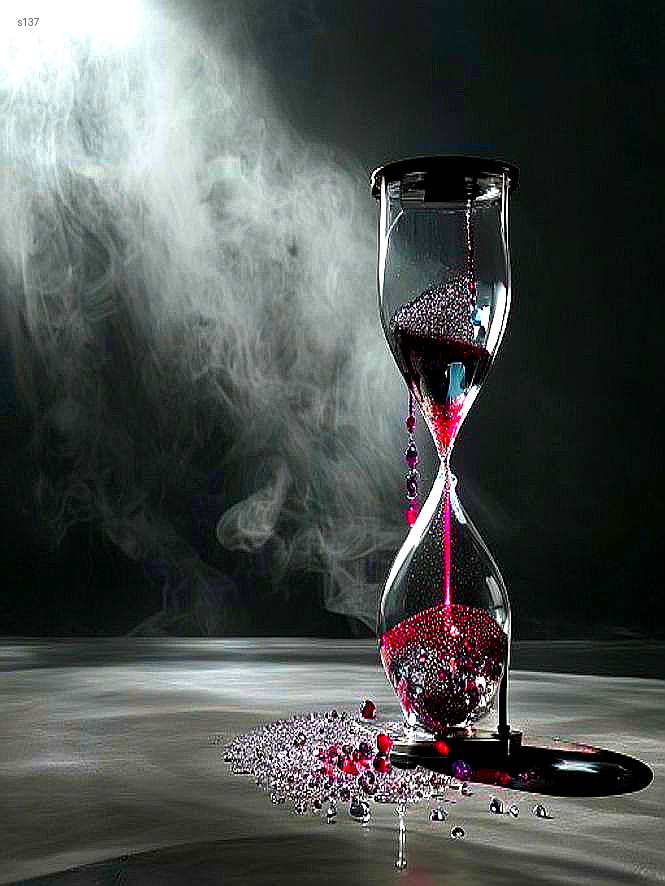
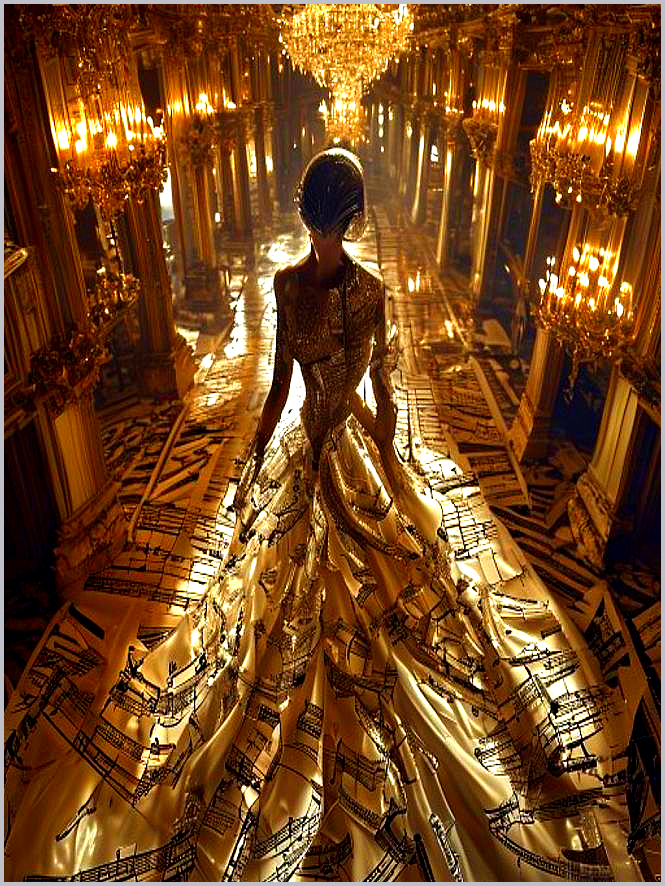
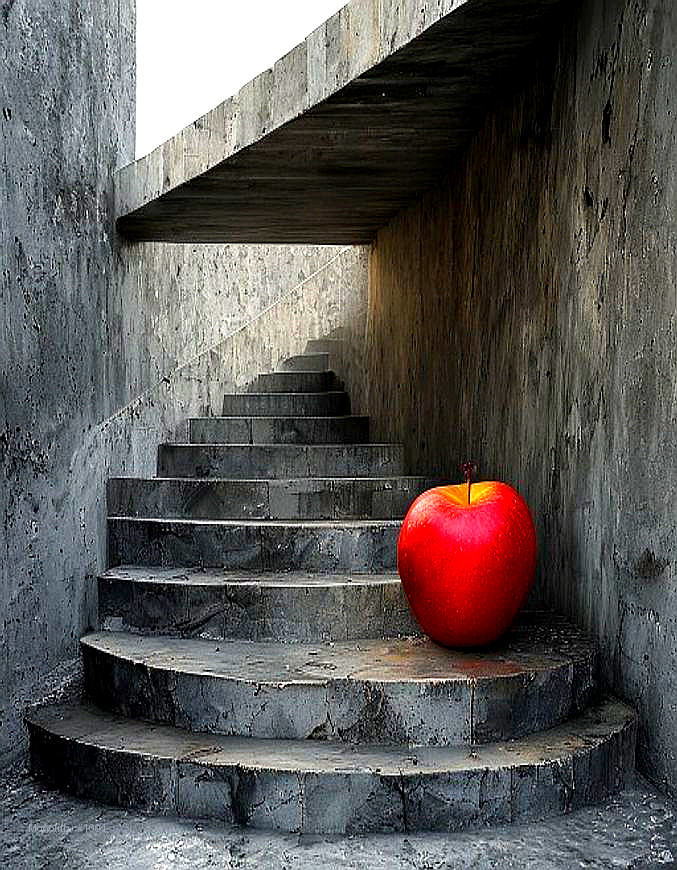
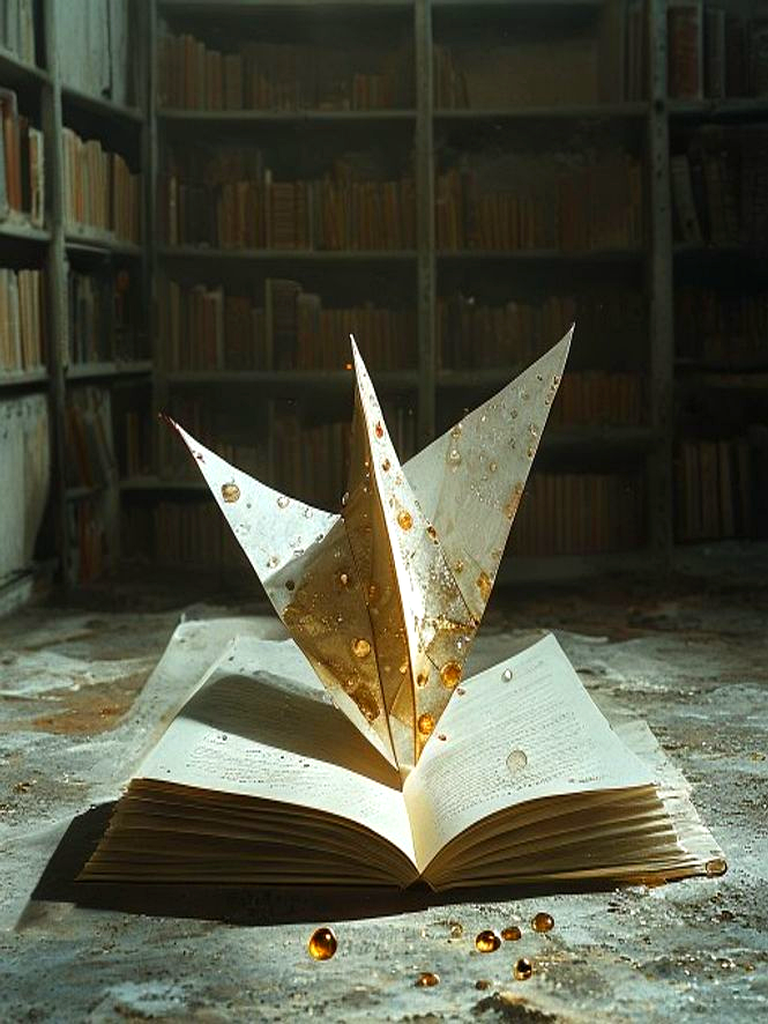
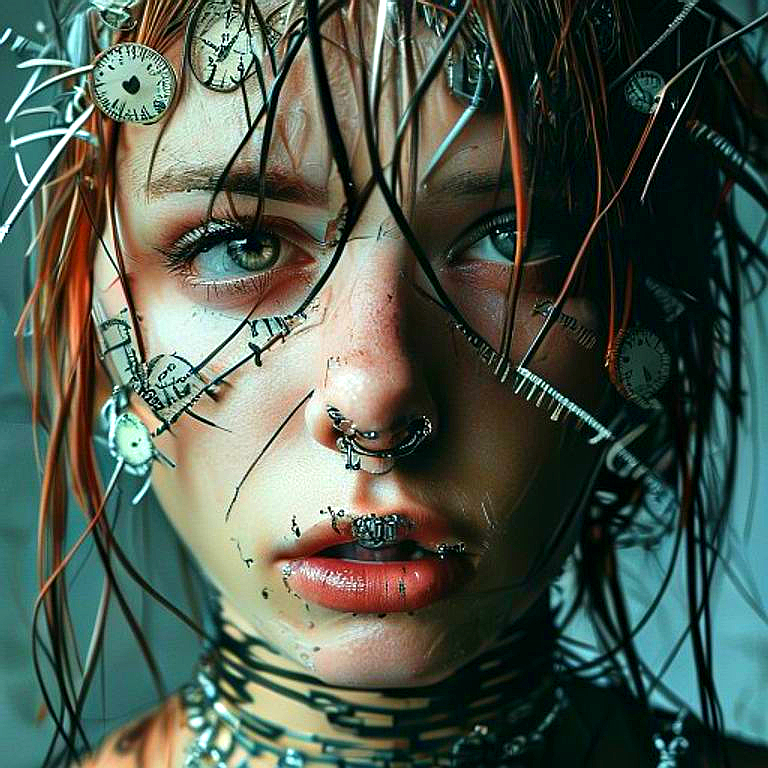
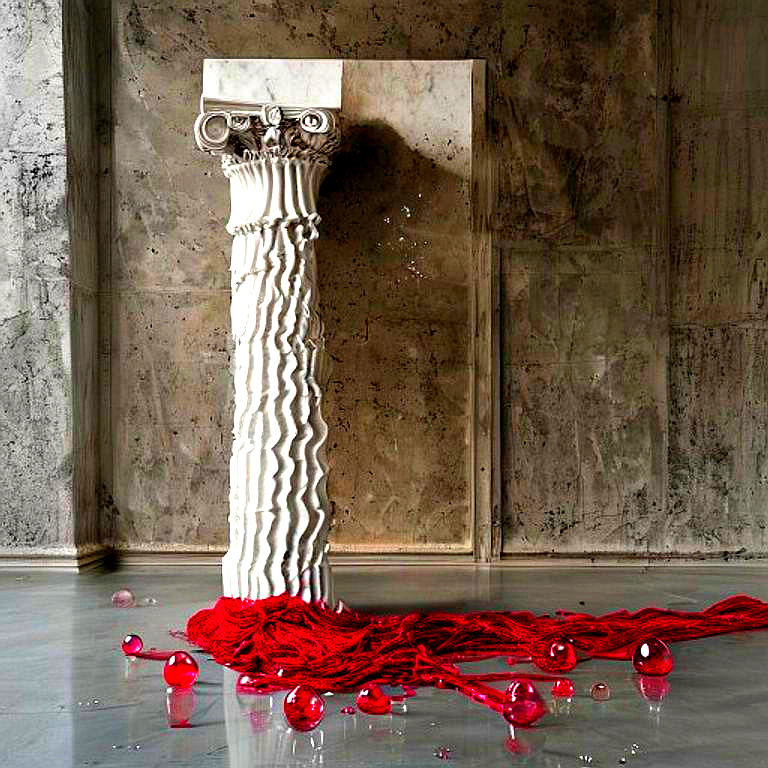
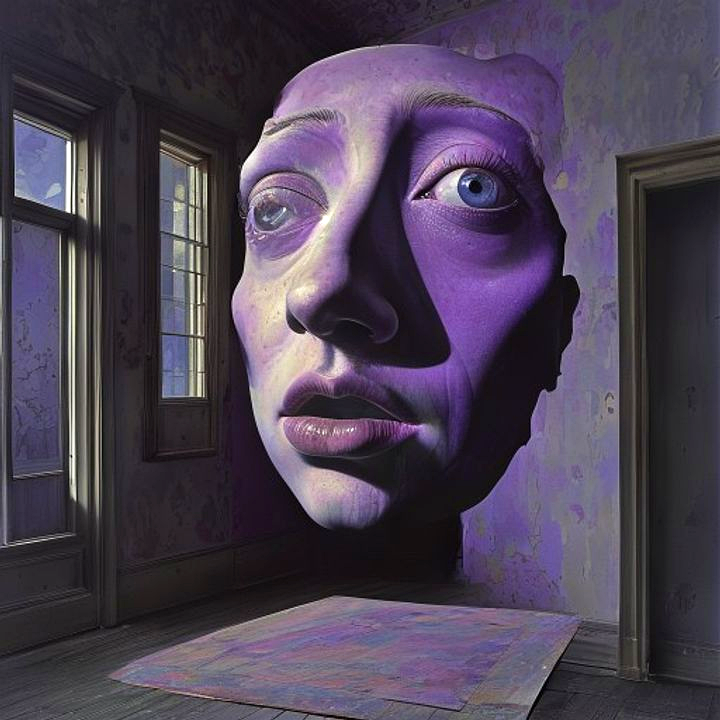
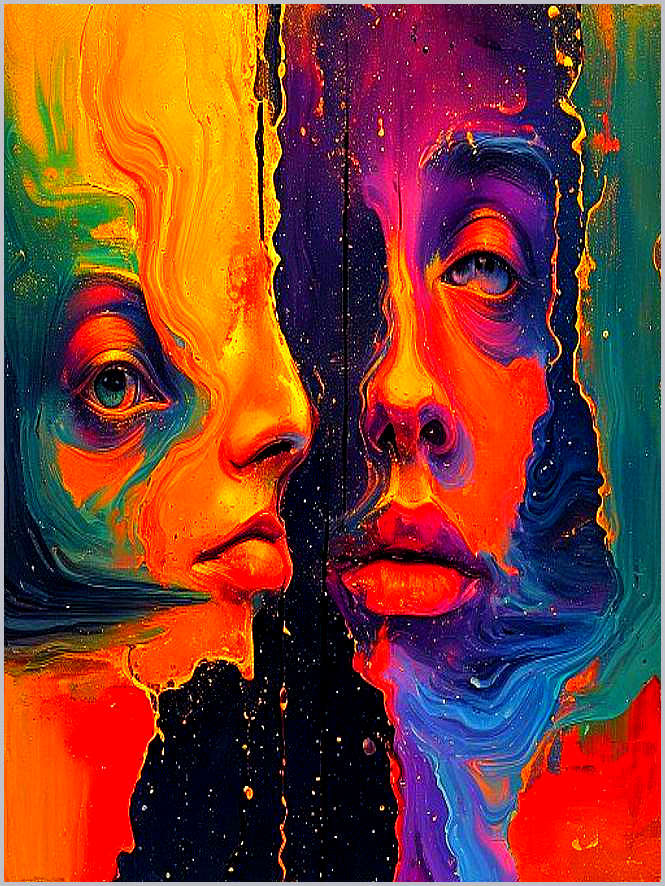
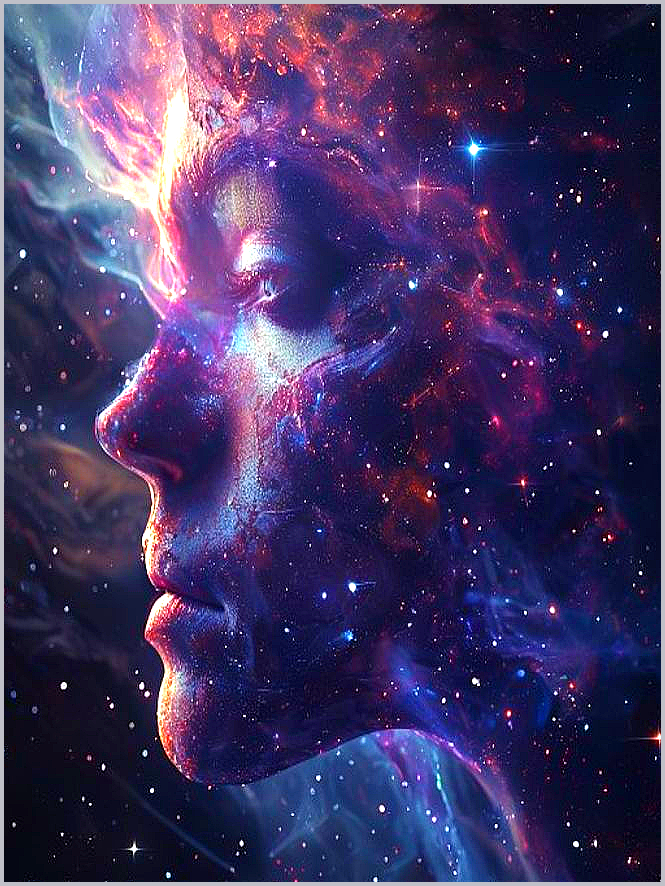
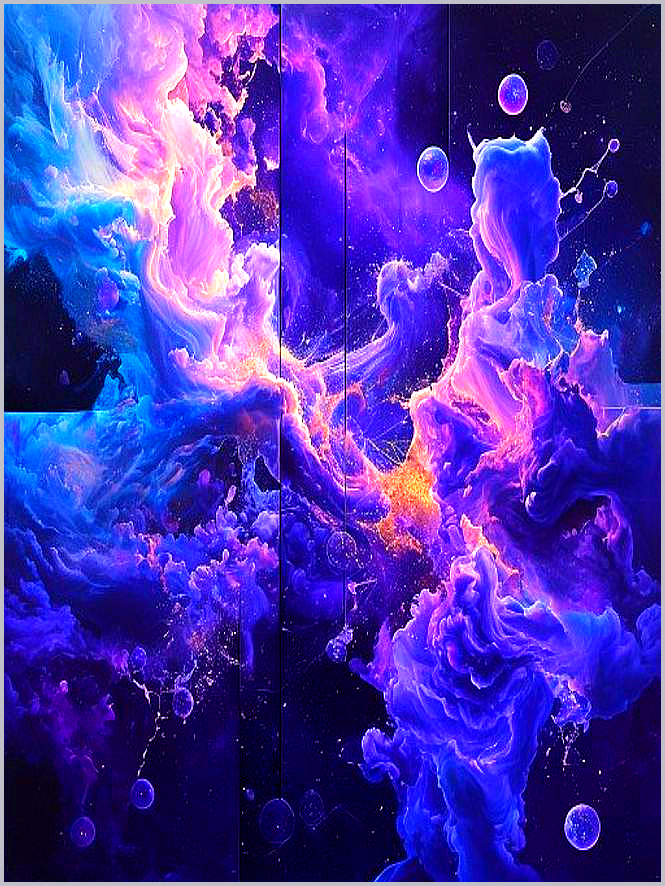
A few from the chain
Real pieces, real rarity, real signatures — not a representative sample pulled for show, these are the actual registry entries.
Le Bal des Rêves
The Orchid Throat
throat blooming into a single mercury-dewed orchid
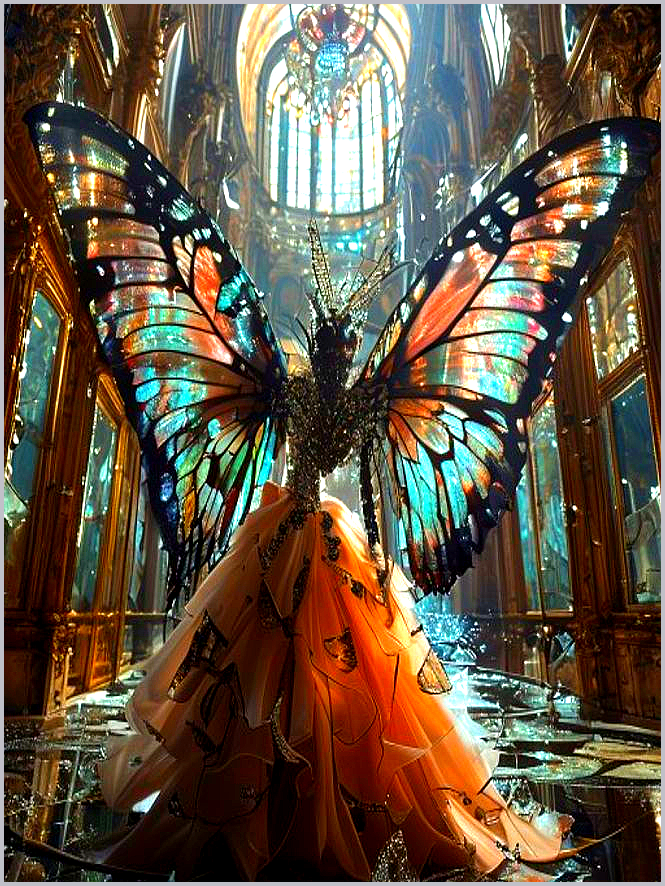
The Moth Crown
crowned by enormous moth wings made of stained glass, light refracting in shifting colors
Prosoneira
Unique
a face with two mouths whispering to each other in a language with no sound
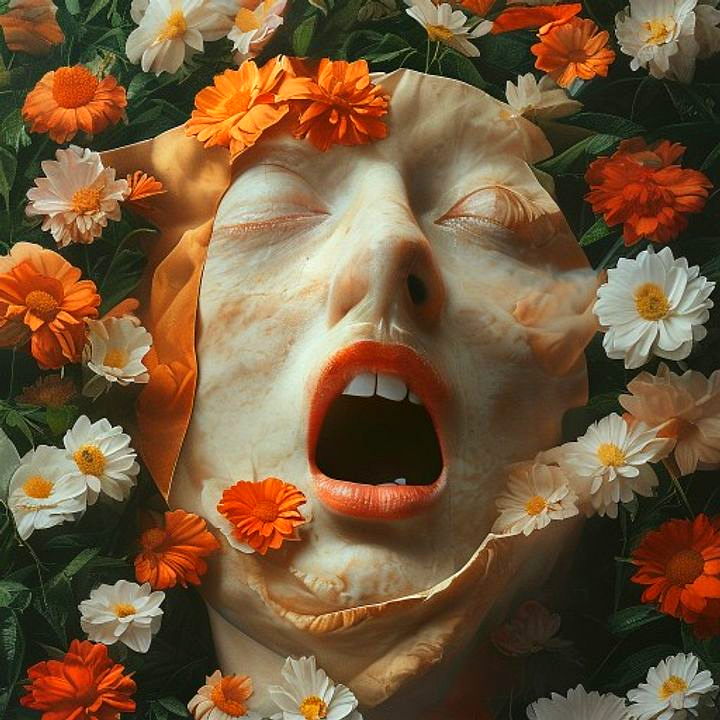
Fold of a Thousand Faces
a face folding into itself like paper, features migrating across the fold
Paracosm
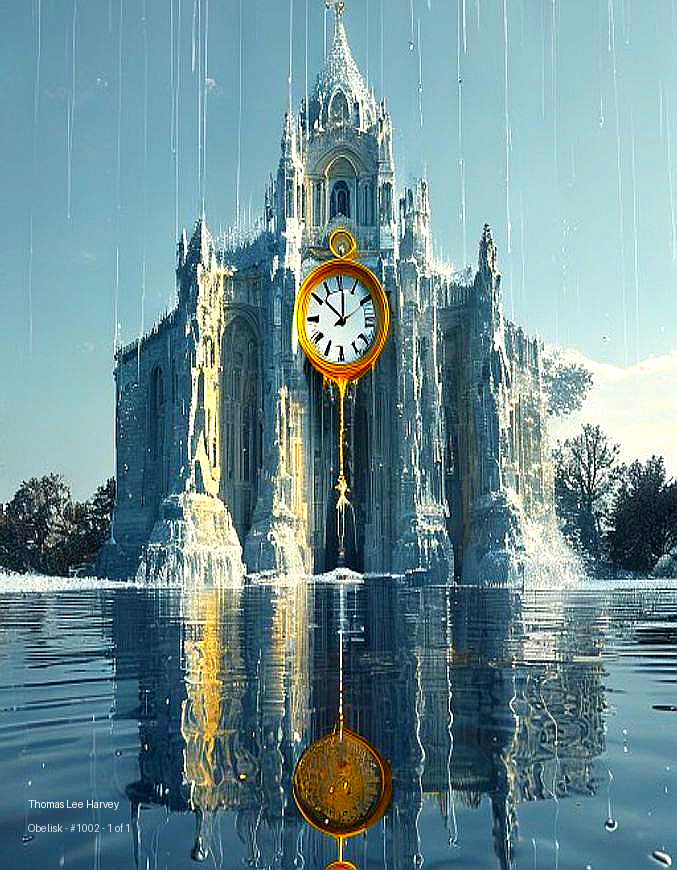
Obelisk
a cathedral built entirely from suspended water, walls made of frozen falling rain
Monolith
a staircase that spirals upward into itself, Escher-impossible, steps connecting to their own beginning
Surrealism Punks
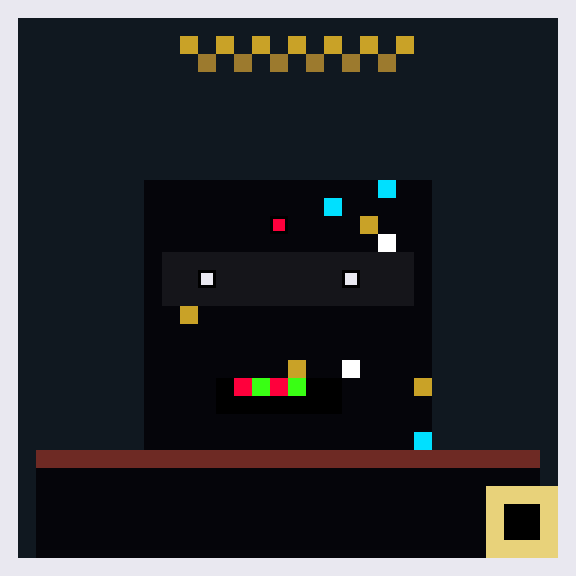
Chrome Wanderer
voidhead, three eyes, gold filigree hat
Who's behind the chain
Thomas Lee Harvey built this alongside two live crypto trading systems running on their own VPS, right now, with real capital — a Kraken spot bot running eight concurrent strategies including a cointegration pairs-trade validated against real exchange fees, and PumpSniper, a Solana memecoin research engine that papertrades before anything touches a wallet.
The same instinct runs through all of it: nothing ships until it's checked twice. The trading strategies get held to a chronological out-of-sample bar before a dollar moves. The art gets a second signature before a piece is called finished. Both exist because a first pass that looks right isn't the same as one that's been tested against what it hasn't seen yet.
Built across two servers, a handful of autonomous watchdogs that catch their own regressions, and — evidently — eleven art collections running in parallel with it all. Dreamwright is the provenance layer underneath that art: proof that stays attached to the thing it's protecting, however impossible the thing looks.